Wednesday, July 11, 2012

Saint Olga of Kyiv


Saint Olga, Grand Duchess (knjagina) of Kyivan-Rus, is one of the most popular local saints in the Eastern Europe, usually called as “equal to the Apostles” because of her mission of Christianization realized during her times.
Olga was born about 890. According to the Russian Primary Chronicles, she came from Pskov, but the church sources names a village in Wybutska near Pskov as her origin. Probably she was of Varangian origin (Nordic population from the same family of languages with the Vikings), established in the northern regions of the actual Russia.  By some accounts, she was the daughter of Oleg of Novgorod. Her name is Olga has probably Scandinavian origins, deriving from Helga, an Old Norse word from the root heill, meaning “enjoying prosperity”, or “being happy”.
According to some other hypotheses, Olga was born in Pliska, Bulgaria, her father being the knjaz Vladimir of Bulgaria. This hypothesis goes from the fact that her first grandson was named Vladimir, after her father, respectively one of his sons Boris, after her grand-grandfather, Boris, the Christianizer of the Bulgarians. Anyway no other source attests these suppositions.
At the age of about 20, that is, around 903 B.C., she married Prince Igor I, the son of Rurik, the traditional founder of Russia. Prince Igor succeeded his father as the ruler of Kyiv about 912. In this time, Olga gave him a son called Svyatoslav, the father of St. Vladimir. 
Igor was murdered while collecting tribute from the Drevlians in 945. At that time, their son Svyatoslav, was only three years old, and Olga became the official ruler of Kyivan-Rus until her son reached adulthood, that is about 945–c. 963. As a widow, she used to have many problems with the neighbor Drevlians, a nation living in the woods from the region situated at the West of Kyiv. Their name, meaning “people of the trees”, suggest their way of living. 
Olga depicted in a manuscript of the Primary Chronicles -
Killing the Drevlyans by burning in the Bathhouse
Olga is remembered in the Primary Chronicles for her revenge against these people who murdered her husband. Shortly after killing Igor, the Drevlians sent twenty of their best men to convince Olga to marry their prince Mal and give up her rule of Kyivan Rus. After tricking them, she ordered her servants to bury them alive. Then she sent a letter to prince Mal, that she accepts the proposal, but she requires other envoys, namely their most distinguished men, as for her noble position. The prince sent his best men who helped him governing the land, but Olga prepared for them a bathhouse, burning them alive inside it. After that, she planned to destroy the remaining Drevlians, by inviting them to a funeral feast at her husband's grave. After the Drevlians became drunk, Olga's soldiers killed over 5000 of them. The ones still alive begged for mercy and offered to pay for their freedom, but she asked only for three pigeons and three sparrows from each house, since she did not want to burden the villagers any further after the loss they suffered. Then Olga gave to her soldiers the pigeons and the sparrows, ordering them to attach by the feet of the birds pieces small pieces of cloth soaked in sulphur and to release them. The birds flew to their nests and set on fire all the houses. The people fled were captured or killed, while some others she gave as slaves to her followers. The remnant left paid her tribute.
Olga remained regent ruler of Kyivan-Rus with the support of the army and her people. She changed the system of gathering tribute (poliudie) in the first legal reform recorded in Eastern Europe. In the following she continued to refuse different proposals of marriage, and managed to save the power of the throne for her son Svyatoslav, major in 963 or 964.

Christianization of Olga

There is uncertain when Olga became interested in Christianity, but it is possible that her interest may have started before her visit to Constantinople, happened, after different sources, sometime between 954 and 957. The ceremonies of her formal reception in the capital of the Byzantine Empire are described by the emperor Constantine VII in his book De Ceremoniis. The Slavonic chronicles add apocryphal details to the account of her baptism, such as the story how she charmed and "outwitted" the widower Constantine, who proposed her to marry.  Olga agreed to be baptized first, because only as Christian she could marry a Christian emperor. After that, she asked the emperor to be her godfather. After the Patriarch Polyeuct had instructed her in the faith, she was baptized with the name Helena, but not after St. Helena the Empress, as believed. The wife of Constantine, in reality dead only in 961, was named Helena Lekapena, being probably her godmother. But traditionally, after the baptism, Constantine requested once more her hand. Instead, Olga tricked him saying that she is his daughter in baptism and such a union is forbidden under Christian law. Even if Constantine commented to Olga about her trickery, he offered her many gifts and let her to return to Kyiv. In truth, this marriage affair is quite impossible to be real, because at the time of her baptism, Olga was an old woman, while Constantine had a wife, being widower only a few years later.
The Baptism of Olga in Constantinople -
depiction in the Radzwill Chronicle
Back in Kyiv, Olga instructed her son Svyatoslav and entreated him to be baptized. However, she failed to convert him, because he was more interested into the domestic fights and tribal wars, but this situation left into her care Vladimir, the presumable successor to the throne who later adopted Christianity as a state religion. Anyway, while Svyatoslav was not brought to baptism, he would not forbid others.
In the latest years of her life, Olga constructed two churches, namely the wooden church of St. Sophia (Wisdom of God) in Kyiv and the Holy Trinity church in Pskov.
In 968, while Svyatoslav was in a campaign of war against the Bulgarians, the Pechenegs surrounded Kyiv in a siege. At the moment, Olga was living into the city taking care for her grandsons Yaropolk, Oleg, and Vladimir. As the people became weaker with hunger and lack of water, Olga inspired a lad to escape the siege and bring relief. Svyatoslav came back in hurry and found his mother very sick. His intentions were to move his residence to Pereyaslav (which is on the Danube River), leaving Olga in Kyiv, but she restrained Svyatoslav from leaving until after she had died.
Saint Olga died on July 11, 969 and she was buried by a priest, having ordered that there would not be a funeral feast after the heathen Slavic customs. Presbyter Gregory, who was with her at Constantinople in 957, fulfilled her request. The Russian Synaxarion calculates that she was 20 years old at her marriage, and the next 42 years she was the wife of Igor. Then she reigned 10 years before her Baptism and after that she lived 15 years more. So she died about 90 years old.
Saint Olga on the Monument of the
Millenium from the Christianization, Kyiv
Her Relics

While Olga was not successful in converting her son or many others to the Christian faith, her example may have been a great influence on her grandson, Vladimir, who in 988 became an Orthodox Christian and led the inhabitants of Kyiv and Rus to follow him in Baptism. During his reign, prince (knjaz) Vladimir was discovered that the body of Olga has not decomposed, traditionally in 1007. This was the first case in relieving relics in the Slavic Christianity. Her body was placed in a coffin inside the Church of St. Sophia (Wisdom of God) in Kyiv. Anyway, only in 1574, the Russian Orthodox Church officially canonized Olga as a saint. Even if her grand-grandsons Boris and Gleb are the first officially recognized saints in Russia, Olga remains the first saint of her people, celebrated on July 11, that being according to the Old Calendar, July24.
During the Tartar invasions in the next centuries, the sacred relics of Olga became a source of numerous miraculous healings. At the beginning of the 18th century, the coffin was hidden in an undisclosed location and has not yet been found. In 1939, an expedition lead by the Leningrad scientist Mikhail Karger discovered some hidden recesses in the foundations of the Tithe Church in Kyiv. Within these recesses lay the remains of people, including a female skeleton with golden ornaments, so that the archaeologists inclined to believe that these were the relics of St. Olga. Anyway that was not officially confirmed until today.

Veneration of St. Olga

Because of her proselytizing influence, the Orthodox Church calls St. Olga like her grandson Vladimir by the honorific title of eissapóstolos, "Equal to the Apostles", such as St. Helena and Emperor Constantine in the Byzantine Empire. Through this title there is recognized the importance of her role to the Christianization of the Russians, process which happened only during a few centuries. The cult of St. Olga is widespread, although especially vivid in the Russian Orthodox Church. The icons present St. Olga as a mature woman, dressed in red and golden robes and bearing a princely crown. From the crown to the shoulders it drops a white scarf. Popularly she bears a cross in his right hand, but in other depictions she may not have a cross, instead her hands are prayerfully made on the chest.


Troparion (Hymn) of St. Olga
Giving your mind the wings of divine understanding, you soared above visible creation seeking God the Creator of all. When you had found Him, you received rebirth through baptism. As one who enjoys the Tree of Life, You remain eternally incorrupt, ever-glorious Olga!

Saturday, July 7, 2012

Saints Epictetus and Astion from Halmyris

 Saint Epictetus, priest, and Saint Astion, (improperly said) monk, originals from Asia Minor, were martyrs for Christ in the 3rd century in Scytia Minor (the today Romanian region Dobruja, situated between Danube and the Black Sea). They were originary from Little Asia. Information about their lives is known only from a copy of a 15th century manuscript kept in the archive of the Savior Church in Utrecht,  published in 1615 by the Jesuit monk Herbert Rosweyde, the initiator of the hagiographic collections Acta Sanctorum, under the title “SS. Epicteto presbytero et Astion monacho, martirybus Almiridiensibus in Scythia “.


The Martyrdom of Sts. Epictetus and Astion
Epictetus was a zealous believer born of Christian parents. Since his youth he left his home for an ascetical life, somewhere in the desert lands of Phrygia (Asia Minor), being later ordained as priest. From this position, he started to preach the Gospel among the pagans in the region, baptizing some of them and working healing wonders in the name of the Savior. Astion was one of his spiritual sons, who came from the family of a Roman senator named Julian. Following his Baptism, Astion started an ascetical life similar to one of a monk.
Around 290, the two came in the province of Scythia Minor, in order to preach the Gospel in this region situated at the borders of the empire. They arrived in a city named Halmyris, situated on a hill near the Danube Delta.  Settling here, they started an ascetical life in the service of God. Further both of them made some wonders, especially exorcisms.
Epictet and Astion became quickly famous in the town. In one day, the commander of the Roman troops stationed there, named Latronianus, came in town with some administrative and military business and heard about them, as they would be wizards practicing a strange rite, and that through their speeches many citizens were converted to the new religion. So he commanded the imprisonment of the two until the sunset and forced them in various ways to deny their faith in Christ. At the time, Epictetus was about 60 years and and Astion was 35. Latronianus wanted to give his best to be observed by the emperor Diocletian, who haven’t started yet his persecution. During the torture, the saints didn’t abjure their faith, but they decided not to say a word about their families in the homeland, in order not to put them in danger. Anyway they confessed repeatedly that they are Christians, and that “this is their name, their ancestry and their homeland”.
The 3rd chapter of the martyrical act describes the last 35 days in the life of the two martyrs, from the arrest up to their execution.  In the next day after their imprisonment, the two were brought in the middle of the court, but their faces were shining like the sun, so that Latronianus could barely look at them. During the hearing, the two saints confessed once more their faith in Jesus Christ, the “source” of their mysterious power and they denied any possible return to the old pagan faith.   Latronianus of course got angry and ordered that the two saints to be bound, and their bodies to be peeled off with iron claws.
Among the judges was Vigilantius, a very sensible man. After four days of process, hearing the Saints incessantly repeating that they are Christians, he decided to become also himself a Christian. So, after the process session, he went in the prison to Epictetus and Astion, where he received from the saints the sign of the eternal live (probably that means he was baptized) and became disciple of the Lord. 

On the fifth day of the process, Epictetus kept a longer speech which ended with the words “We are Christians”, which angered extremely Latronianus, who commanded that the wounds of the saints to be rubbed with salt and vinegar. After this, as if it was not enough pain, they were thrown into a cauldron of boiling pitch. However, through their faith Christ, the two saints remained unharmed, and after that they were thrown in the cell, having no food or drink for 30 days.
After passing the 30 days of starvation, the two saints were brought back to court, where they confessed Christ once more, saying that their miracles were no witchcraft, but power given by their Lord.  "Hearing this, that crazy with a beast soul ordered his servants to crush with stones the faces of martyrs. He asked also to bring some ash rods and to hit them until giving their souls […] but because as many blows they endured, they received them always happy and fully hearted in confessing their Lord, then the servant of the devil, seeing that his madness cannot in any way overcome their constancy, he commanded the servants to take them out of the city and to cut their heads with the sword”.

The first beheaded was St. Astion. In that moment, Epictetus have thrown himself upon the body of his disciple and asked the executioners to kill him so. Their martyrdom happened on 8 July 290. The new converted Vigilantius, together with other Christians, managed to take the bodies of the two holy martyrs at the sunset and buried them with great honor. In the act of martyrdom of these Holy Martyrs there is a mention that the two beheaded bodies were white like the snow and through them some sick people were cured. 
During the tortures of the two saints, a citizen from Astion’s hometown came in Halmyris and recognized the martyr. Returning home, he told everything to the parents of the martyr, who didn’t know anything about his fate before. His mother said that she wanted it immediately to become Christian and if necessary, to become a martyr like her son, and then both parents of Astion embarked on a ship and came to Halmyris to see their son.  On the third day after the funeral, Vigilantius had a vision. Astion appeared to him, telling about the arrival of his parents in the city. So he welcomed them and told them about the martyrical death of their son, and after this, the both converted to Christianity and were baptized by the bishop Evangelicus of Tomis, who also suffered a martyrical death shortly after. 
Saints Epictetus and Astion are the earliest martyrs in Romania today, about whom there is detailed written information.
The crypt where the relics were found
The veneration of the Saints
The relics of the two saints remained unknown for a very long time, and they were discovered only in 2001, during some excavations made at the archaeological site of ancient Roman-Byzantine city Halmyris, located between Murighiol and Dunava, in Tulcea County. The archaeological site was opened in 1981, but only in 2000 a Romanian-American team discovered an Episcopal basilica, confirming a “Notitiae episcopatum” during the basileus Anastasios I (491-518) of Constantinople, who mentioned 14 bishoprics in Scythia Minor, and among them also Halmyris. The discovery of the crypt where the relics of the two martyrs laid happened on August 15, in the day of the Dormition of Our Lady.
The crypt had two chambers, the first being the funeral room where there were found the remains of two Christian martyrs, of a yellow-brown color. In the second room, probably plundered already in the Antique, there were found the white bones of some other persons, remained unknown. The different color of the bones confirms that they weren’t mixed in that period, and this fact may be a sign of their earlier veneration.
The skeletons of the two martyrs
Together with the remains of two martyrs, there were found some fragmentary inscriptions on the chamber’s eastern wall. On the first two rows from the whole seven it have been decoded the Greek words “Martyrs of Christ”, and on the fifth, the word “Asto” finished with the Greek letter “v”, which Latin correspondent is “n”. In the seventh raw there were identified the first three letters of the verb “ibrio”, meaning “to molest, hit”. These indices led the archaeologist Michael Zahariade to believe that he found the relics of Epictetus and Astion, whose lives and sufferings are recounted in "Acta sanctorum". The anthropological expertise have shown even the health situation of the two saints, and offered information about the last 35 days of their lives.
The first skeleton found was the one of Epictetus, from which it was missing only the first two cervical vertebrae (atlas and axis) and the skull, but having the mandible.  The research confirmed the skeleton of a man of 64-67 years, suffering of from reactive arthritis, extensive ankylosis of the spine and osteoarthrosis. The mandible and the shoulder blades presented some fractures made directly on the bone, by hitting with blunt objects on the shoulder and face. Because there were no signs of bone regeneration, there is believed that he died shortly after.
From the skeleton of Astion it was missing also the skull, but the mandible was present.  The age indicators have shown an age of 49 years, because of the form of the pubic symphysis, but the experts had reasons to believe an age at death of about 30-40 years. Probably he suffered an accident in his childhood and he presented a small hump. On his skeleton there were discovered some violence traces: the right humerus had a trace caused by a sharp object. Another trace was discovered on the left fibula that was completely fractured.  Also the mandible was fractured as if after some very strong blows, and the lack of any signs of bone repair shows that the person died shortly after. Moreover, the first atlas vertebra proves that the death was caused by beheading. All these information confirm the describing from the Acta Sanctorum.
traces of sword on a bone (humerus) of St. Astion
The holy relics of Sts. Epictetus and Astion were placed in two coffins in the cathedral church of the Archbishopric of Tomis, in Constanţa. Some small parts were offered by the current Archbishop Teodosie also to some other churches in Romania but not only.


Another martyr saints in Scythia Minor (Dobruja)
St. Epictetus and Astion are not the only martyrs in Dobruja during the reign of the last persecutors. Together with them, there are known also St. Emilianus, soldier in Durostorum, who died in the time of Julian (361-363) and celebrated on 18th July, and the Martyrs from Niculiţel, Sts. Zottikos, Attalos, Kamassis and Philippos, mentioned in a Syrian Martyrology on 4th June, whose relics were discovered in 1971.  A crypt with relics of saints was found also in Adamclisi, but the identity of the martyrs is still unknown.
Besides these  there are some other martyr groups: some from Tomis (now, Constanţa): Macrobius, Gordian, Elia and Valerian (September 13), Marcial, Victurus, Marina and Servulus (September 15),  Priscus, Crescens, Evagrius, Denegothia, Faust, Marcial, Ianuarius, Alexander, Euprobus, Pigra, Dignus, Gottia, Sarurnus, Speus, Castus, Primus, Donatus, Passicus, Probus, Digna, Christus (October 1), Argeus, Narcis and Marcellin, three brothers and sons of a bishop of Tomis (January 2), Claudius, Eugenius, Rodon, Diogenes, Prima, bishop Filius, Theogenes, and  Petrus (January 3), bishops Efremus of Tomis and Eterius (march 7), Chrestus, Pappus, Tomas, Evagrius, Benignus, Arestus, Rufus, Sinidia, Patricius (April 3), Marcian, Nicandrus, Apollonius (June 5), Paulus and Cyriacus (June 18).
From Axiopolis  (Cernavodă) there are known the martyrs Cyril and Kindeas (March 9), Zenon, Dio, Acacius and Crispus (May 9), Irenaios and Heraclius(August 5). St. Cyril had a cult developed in Axiopolis. On his tomb there was built a basilica and later here it has beeb developed a large Christian cemetery. According to Procopius of Caesarea, in the 6h century, during the reign of Justinian, Axiopolis was renamed after Cyril. In 1947 there was discovered an inscription saying: “(to the Martyrs) Cyril, Tasios and Kindeas I bring praise”.
At Noviodunum (Isaccea) not far away from Niculitel, there are celebrated Sts. Amantus, Lucius, Alexander, Andrea, Donatus and Peregrinus (June 6) and another group, of Cirinus, Ebustus, Rusticus, Silvius.
The so many names here mentioned bring an idea about the development of the Christianity in this region, situated at the border of the Roman Empire, but also about the strength of the persecutions, especially during the reign of Diocletian and Licinius.
Troparion (Hymn) of the saints
Oh, faithful believers, come to praise Epictetus, the wise teacher and Astion, the very zealous disciple with the the same praise as Hermolaes and Panteleimon , as  the martyrs of Christ and the praise of Dobruja,  saying to them: enjoy, you who always intercedes for our souls! 

Here some infomations and photos:

and here:

Saturday, June 30, 2012

Holy Hierarch Ghelasie of Râmeţ (or Râmeţi)


Saint Ghelasie of Râmeţi lived in the 14th century as a hermit monk on the valley of Râmeţi river in the Apuseni (Western) Mountains, in Transylvania and later he became the abbot of the monastery of Râmeţi, which exists until today in Alba county. All about his life it was preserved in the tradition of the place, for many centuries.
There is known that he was the spiritual father of the hermits living in the mountains near Râmeţi, but also for the villagers in the region. He had a special gift in exorcising the possessed.
Saint Ghelasie had twelve disciples together with he was praying, fasting and celebrating the Holy Sacraments. He did not eat but Saturdays and Sundays. In the other days he was living only by consuming the Holy Eucharist. That it may be a sign of the daily celebrating of the Holy Liturgy, and that means that at this time there was an intense spiritual life in the region. 
The Old Church and the New Church of the monastery.
From a story happened at Fântâna Vlădichii (=the Fountain of the bishop) near Hopagi village, located a few miles from the today monastery, there is known that one summer, when the monks went to mow the hay, some of then began to grumble, because they had water. Abbot Ghelasie prayed to God and, making the sign of the Cross for three times with his stick he used to carry, he struck on the ground, and the water came to the surface. The water spring exists in this place until today, and its name is a sign that Ghelasie was not a simple abbot, but a bishop.
His death happened in a special way. Going one day from Hopagi towards the monastery, he died riding on a donkey, who took him home. Today the museum of the monastery keeps a stone which is said to have remained imprinted on it the donkey’s hoof. Before that, this stone was located in front of the old church of the monastery. Also the tradition recorded that, in the moment of his death, the bells of seven churches nearby began to beat suddenly. He was buried near the church wall, but the precise location has been forgotten, being found only in the twentieth century, as it follows.

The veneration of St. Ghelasie
For many centuries there was known nothing about Saint Ghelasie, except what has been transmitted by tradition, among the ascetics in the region. His relics were discovered by chance for the first time in 1925. After a heavy rain, the monks have seen a human skull that has surrounded the old church for three times and who stopped near the altar. Together with this were brought to the surface other two skulls, and all three were taken by the priest of the monastery and buried in the right side of the old church, without knowing who they were. According to testimonies of some monks, each year during the winter the snow it was melting over the place in which the heads were buried.
In 1937 or 1938, after some digging done in order to restore the old church of the monastery, the waters of another stronger rain have brought the skull back to the surface, without anyone knowing whose it was. But then something miraculous had happened. An epileptic woman, named Mary, from Negreşti Oaş (about 300 km north of Râmeţi) came in this time and told to the monks that she had a dream, in which a dove sent her to that monastery, until then completely unknown to her, and commanded her to touch the skull found, which is of Saint Ghelasie, and so she will be cured. After celebrating the Sacrament of the Holy Unction (in the Orthodox Church this sacrament is celebrated for the sick and not for the dying. Please translate this comment only if you think it’s necessary!!!), she touched the relics of Ghelasie and she was healed. Then the monks took the skull and put into a wooden shrine, kept until today in the monastery’s chapel.
During the last half of the century there were reported other miracles about the relics of Saint Ghelasie.
The Relics of Saint Ghelasie
Later in 1978 there was discovered an inscription on the old church wall, which separates the nave from the nave: „Here I have written myself, the most sinner servant of God Mihul, painter from the Crişul Alb (White Criş, a river situated somewhere in the western side of the monastery) during Archbishop Ghelasie, in the year 6885 (1377), July 2, in the days of king Ludovic” (=I The Great, ruler of Hungary between 1342-1382). This inscription is the first mention of an Orthodox bishop in Transylvania and this completes and states the information about Saint Ghelasie, until then believed to be a monk and only suggested that being a bishop because of the name of the Fountain at Fântâna Vlădichii. This situation is not unusual, because the religious organization of the Orthodox Romanians in Transylvania was not very clear until the 15th century. At that time the bishops, respectively the metropolitans didn’t have their own headquarters, but they lived in one or another monastery in Transylvania and moved elsewhere when needed.

All these information, together with the many miracles happened at his shrine in Râmeţi, led the Holy Synod of the Romanian Orthodox Church to the decision from 20 June 1992, when it was proclaimed the official canonization of St. Ghelasie. His solemn canonization happened at Râmeţi on June 29, 1992, and his memory is held every year on June 30.

Hymn (Troparion) of St. Ghelasie:

O, you God-bearer, our Father Ghelasie, counselor of the monks, of the priests and of the faithful, the glory of the ascetics and the praise of bishops, the strength of the trouble and wonder maker, You shown your holiness through your struggles, and now you rejoice together with the angels in heaven. Together with them, pray the merciful God to grant us peace and great mercy!

Friday, June 22, 2012

Saint Agrippina


celebrated on June 23

Saint Agrippina was a pious Christian virgin original from Rome, who suffered the martyrical death for Christ probably in the time of Emperor Valerian (253-260), who started a persecution against the Christians in 257.
The short story about Agrippina, written in the Greek Synaxarion, doesn’t tell us very much. There’s no other information about her, only that she came from a noble family. The context in which she was accused and condemned as Christian is also unknown. Only a Latin version of her life, written probably in the 8th century (Bibliotheca hagiographica Latina antiquae et mediae aetatis, vol.1. Bruxelles, 1898, p. 29) attests that the noble Agrippina was a virgin dedicated to the charity. The liturgical canon of hymns from  to the byzantine Menologion  gives some summary information about the fact that Saint Agrippina was beaten and laid on the ground by her persecutors, but she didn’t abjured her faith for Christ. Finally, after some other tortures, including public nakedness, she gave her soul in the hands of the Almighty. The Synaxarion mentions that instead of the bride’s crown, she took the crown of the martyrs.
Monument of St. Agrippina in Mineo
St. Agrippina Church in Mineo, Sicily


The veneration of St. Agrippina
The story doesn’t finish here. The relics of the saint were buried in the cemetery of the church San Paolo fuori le mura, but later they were secretly taken by three virgins, Bassa, Paula and Agatonica, who left Rome and went by sea to Sicily. First the holy relics remained in a grotto at Contrada Lamia (called today the Cave of St. Agrippina), and later on  17 May 263, moved  in Mineo ( in center of Sicily) by bishop Gregorio of Agrigento. Later, during Constantine’s reign, it was built on her grave a church in honor of the Saint, through the blessing of bishop Severino of Catania. Anyway this dating is contestable, and  many researchers believe that the church of St. Agrippina was built only in the 8th-9th centuries, because there are two bishops in this period with the same names as mentioned above.
There is a mention about a siege of the town by the Saracenes (Arabs). They entered in the church which was in the meantime built on her grave and wanted to commit profanation of the holy relics, but they couldn’t, being miraculously stopped. The way they were stopped is also not so clearly stated.
The holy relics of Saint Agrippina helped some believers who prayed and became healthy from their sickness. Saint Agrippina is the protector saint against the sea storms, leprosy and evil spirits.
Because of the important Greek population in Sicily at that time, the cult of Saint Agrippina spread out also in the Eastern Church. Her Feast day is, as in the Roman Martyrology, on 23rd of June. In the West she is celebrated on 23 June (her martyrdom), in 17 May (the translation of her relics in Mineo) and in the third Wednesday from the Great Lent. A special day of celebration is in the first weekend in August, especially in America. During the great Italian migration in the USA, a group of Sicilians from Mineo established in North End, a quarter in Boston and brought with them the cult of Saint Agrippina. Her day is today the Feast of the Italian community in Boston, but also of the whole city. Since 1914 there is a special procession with a statue of St. Agrippina on the streets, on her day.
St. Agrippina Feast in Boston

Troparion (hymn) of the Saint Agrippina
Thy Martyress Agrippina, O Jesus, cries with a loud voice: Thee my Bridegroom I desire and I seek Thee with strife, And I’m crucified and buried with Thee in Thy Baptism, And suffer for Thee so that I may reign with Thee, And die for Thee so that I may live in thee. Therefore accept as an unblemished sacrifice, her who ardently was slain for Thee. By her intercessions, O Merciful Saviour, save our souls.

Italian prayer at the ceremony in honor of St. Agrippina:
Oh God, you have granted to Saint Agrippina the grace to unite the palm of martyrdom to the flower of virginity. Also, you grant us her help to overcome the passions of the flesh and the snares of the world to arrive at the joys eternal. For Christ Our Lord. Amen.


Thursday, June 21, 2012

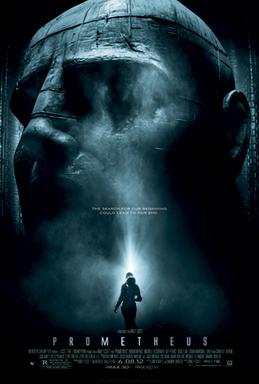
Prometheus-ul lui Ridley Scott


PROMETHEUS (2012) ȘI REVENIREA
 LUI RIDLEY SCOTT LA GENUL S.F.
Critică în dialog
de Alex Stănescu și Pr. Daniil Iacșa


Următorul review este scris sub forma unui dialog pe e-mail. Deși transcris aici sub o formă unitară, articolul mai păstrează adresarea personală și dinamica genului epistolar. Alex Stănescu este regizor, editor și critic de film; opiniile sale pot fi consultate pe blogul personal: http://cinekis.blogspot.ro/ . Pr. Daniil Iacșa slujește la Biserica „Sf. Ștefan – Cuibul cu Barză din București” și este realizator Trinitas TV.


Prometheus: joaca de-a creația (Alex Stănescu)

           Filmul e un horror ambiţios, care înghesuie foarte multe mituri şi concepte grele sub o carcasă SF impecabilă.Trimite încă din titlu la titanul care a dăruit omenirii focul, cheie spre cunoaştere şi civilizaţie, iar concluzia filmului se apropie de cea a mitului grecesc. La capătul drumului spre cunoaştere poate apărea suferinţa şi groaza, atunci când lipseşte smerenia şi chiar frica în faţa adevărurilor de nepătruns.
           Premiza rămâne copilărească, nevoia de a pune creaţia umanităţii în cârca unei seminţii extraterestre este deja fumată, dar intrând în joc doar de dragul cinematografului, remarcăm cum prezenţa lui Dumnezeu-Creatorul nu este cu totul ignorată (ca în alte producţii de gen). O serie de detalii presărate de-a lungul naraţiunii semnifică discret: crucea tatuată pe umărul unui personaj, crucea de la gâtul eroinei, care este scoasă de robot sub pretextul "decontaminării", de parcă acel obiect ar fi fost predispus unei contaminări malefice mai degrabă decât corpurile celor din echipaj.
Ridley Scott este un talent confirmat când vine vorba de imagini uimitoare, iar apetenţa pentru "estetica urâtului" îi este la fel de notorie.
           Distribuţia e inegală (Noomi Rapace e fenomenală, Charlize e penală), asemenea ritmului, rupt după prima jumătate a filmului - lentă, meditativă - cu o cascadă a efectelor speciale. Bestiarul aminteşte de Alien, SF-ul cu care Scott s-a "lansat pe orbită". Arătările decimează în câteva minute jumătate din echipaj.
           Nu se poate spune că PROMETHEUS aduce noutăţi, este mai degrabă o întoarcere spre tinereţea regizorului. El dovedeşte că şi-a conservat vitalitatea mai bine decât bătrânul din film, gata să cheltuiască trilioane de dolari şi să străbată ani lumină în căutarea vieţii fără sfârşit.
           Din multele întrebări nerăspunse, cea legată de motivul pentru care extratereştrii palizi i-ar fi creat pe oameni iese în evidenţă. Într-un moment-cheie al filmului, androidul (jucat de Michael Fassbender) face o comparaţie între "facerea" oamenilor şi construirea androizilor, proiectaţi de oameni. Concluzia poate fi că oamenii au fost creaţi dintr-un moft şi trebuie distruşi din acelaşi motiv?


Istorie, mituri și simboluri oculte în Prometheus (Pr. Daniil Iacșa)

           Sunt de acord că Prometheus este un spectacol ce se dorește a răpi, mai degrabă decat a transpune privitorul în realitatea alternativaă a poveștii. Cu Prometheus, Ridley Scott se reinventează din nou pe sine, rămâne tânar, așa cum spuneai tu; ceea ce a făcut cu Alien face și cu Prometheus, își up-dateaza la cultura populară a anului 2012 repertoriul tehnic, de exprimare și comunicare a scenariului.
           Și totuși, ce e atât de nepotrivit la acest film? Ce e sumbru si bizar în povestea urzită măiestru în fața spectatorului? Este adevărat, există în istoria umanității lucruri la care istoriografia academică nu are răspuns, există mărturiile civilizațiilor amerindiene, olmecă, mayașă și altele. În cartea sa Fingerprints of the Gods, Graham Hancock scrie printre altele, referindu-se la mormântul regelui Pacal din Palenque pe care l-a cercetat personal:

"The scene carved on top of the sarcophagus showed a clean-shaven man
dressed in what lookedlike a tight-fitting body-suit, the sleeves and leggings
of which weregathered into elaborate cuffs at the wrists and ankles.
The man lay semireclined in a bucket seat which supported his lower
back and thighs, the  nape of his neck resting comfortably against some
kind of headrest, and he was peering forward intently. His hands seemed
to be in motion, as though they were operating levers and controls, and
his feet were bare, tucked up loosely in front of him.
Was this supposed to be Pacal, the Maya king?
If so, why was he shown operating some kind of machine? The Maya
weren’t supposed to have had machines. They weren’t even supposed to
have discovered the wheel. Yet with its side panels, rivets, tubes and
other gadgets, the structure Pacal reclined in resembled a technological
device much more strongly than it did ‘the transition of one man’s living
soul to the realms of the dead’, as one authority claimed, or the king
‘falling back into the fleshless jaws of the earth monster’, as another
argued." (p. 154)

           În mod evident, există o asemănare izbitoare între regele Pacal descris de Hancock și acel Engineer din film așezat în scaunul de pe platforma navei spațiale extraterestre. La fel, capul gigantic pe care l-au întâlnit oamenii acolo face referire la capetele uriașe de oameni cu trăsături negroide aparținând civilizației olmece, despre care se știe foarte puțin, artefacte găsite în Mexic. Hancock scrie și despre ele. Făcând referință și la descoperirea acestor capete în anii 1930 de către un arheolog american, el descrie ce a văzut și îl citează și pe american:

 "Lying close to the calendar stela at Tres Zapotes, Stirling also unearthed
a giant head. I sat in front of that head now. Dated to around 100 BC, it
was approximately six feet high, 18 feet in circumference and weighed
over 10 tons. Like its counterpart in Santiago Tuxtla, it was unmistakably
the head of an African man wearing a close-fitting helmet with long chinstraps.
The lobes of the ears were pierced by plugs; the pronounced
negroid features were furrowed by deep frown lines on either side of the
nose, and the entire face was concentrated forwards above thick, downcurving
lips. The eyes were open and watchful, almond-shaped and cold.
Beneath the curious helmet, the heavy brows appeared beetling and angry.
Stirling was amazed by this discovery and reported:
The head was a head only, carved from a single massive block of basalt, and it
rested on a prepared foundation of unworked slabs of stone ... Cleared of the
surrounding earth it presented an awe-inspiring spectacle. Despite its great size
the workmanship is delicate and sure, the proportions perfect. Unique in character
among aboriginal American sculptures, it is remarkable for its realistic treatment.
The features are bold and amazingly negroid in character ...
"
(p. 125)

           După cum se vede, aceste descoperiri și lucruri inexplicabile din trecutul îndepărtat al umanității sunt sursa ideilor prezentate în acest film. Numai că ele sunt îmbrăcate în ideologia "ancient aliens", după numele show-ului de televiziune, adică prezentarea extratereștrilor umanoizi ca creatori și dumnezei ai oamenilor, de altfel o idee preluată și dezvoltată de la elvețianul Erich von Däniken.
           De unde incompatibilitatea acestei viziuni despre istoria umană cu creștinismul? Problema nu este că creștinismul răsăritean respinge din principiu și suspectează ori demonizează orice fel de fapte istorice pe care nu le poate explica, ci că astfel de căutari și interpretări sunt, sec spus, anticreștine. Filmul rămâne în planul realității materiale, fără nici un fel de referință la spiritualitate. La religie da, dar se știe că religiile seculare nu au spiritualitate, la fel cum există și spiritualitate fără religie (New-Age-ismul). Am văzut în Prometheus omul pretins superior, dar desfigurat și dezumanizat. Nu umanitatea lipsește neapărat - rămân umani câțiva membri ai echipajului, iar pe final chiar androidul se umanizează - ci acea umanitate recuperată de Hristosul creștin, acea umanitate spiritualizată, îndumnezeită, sfințită și theomorfizată, teandrică și theocentrică, diafană și fragilă, deopotrivă optimistă și ineluctabilă. În ochii umanității întruchipate de Elizabeth și deziluzionate de așteptările ei civilizaționale se citește groaza și disperarea, urmate de pretinsa maturizare prometeică. Din nou, terenul de joacă pentru categoria hidosului este persoana umană, sub aspectul ei material, adica trupul, care poate fi ciopârțit în fel și chip și batjocorit de "altoirea" altor specii demonice. Așa dupa cum observai tu, aleatoriul, arbitrariul si iraționalul predomină ca viziune într-un astfel de film. Ce mai contează întrebarea Elizabethei: "Who created/made them?" Deșertificarea sufletului uman, atât de bine metaforizată de Scott în ultimul act, este rezultatul oricărei simbioze cu ceea ce în limbaj convențional se numește: răul. Suntem în plin darwinism, dincolo de artă și cinematografie.
           Ridley Scott spunea că a dorit să pună doar câteva întrebări ce au trecut "de curând" (!) prin capul fiecăruia dintre noi. Numai că și eu mă întreb și sunt curios cine a creat acele minunate construcții gigantice din Asia, via Egipt până în America Latină. Și eu sunt fascinat de precizia anului (solar) maya, mai corect chiar decât cel din calendarul gregorian (preluat și de noi, creștinii ortodocși români, spre deosebire de ruși, spre exemplu, care au rămas pe "stilul vechi"), de faptul că au fost descoperite date mayașe, inscripționate în piatră ce trimit la zile precise de acum 90 sau chiar 300 de milioane de ani - în Quiriga, Guatemala (Hancock). Și eu pot să cred că lumea noastră și existența oamenilor pe pământ depășește 15.000 de ani. Dar pentru nici o clipă nu pot să cred că altcineva în afară de Dumnezeu ne-a creat. În ideologia ilustrată de acest film, Întruparea lui Hristos își pierde orice sens. "Lumea nouă", inaugurată de creștinism, cu evenimentele și personajele ei providențiale (prooroci, apostoli, sfinți, asceți, martiri), noua cronologie/"mitologie" creștină, regândirea timpului și a umanității însăși prin jertfa pe cruce a Creatorului nostru pentru noi este transformată în absurd de povestea din film.
           Și aici ajungem la ceva important. Cred că ficțiunea, scenariul, story-ul, se propune ca fiind mai mult decât "o altă poveste SF". Sigur, toate marile titluri clasice ale literaturii genului SF au născut la timpul lor surpriza și dezbaterea publică: "Omul invizibil", "Mașina timpului" și "Războiul lumilor" ale lui Wells, romanele lui Jules Verne sau Herbert (Dune), dar nici unul nu se impune cu atâta "seriozitate" din partea autorilor lor precum Prometheus. Ne miram deunăzi despre cum au putut unii adolescenți să se sinucidă pentru că lumea din Avatar nu există în realitate. Cu aceasta Avatarul îmi devenea de asemenea antipatic, dar acum îmi dau seama că acolo povestea rămâne poveste, se operează cu categorii morale, cu binele, răul, firul narativ este bine dezvoltat și chiar ideologia ecologismului și a feminismului, environmentalism-ului și celelalte apar mai prietenești și mai firești decât ce se întâmplă în Prometheus. Oricum, cele două filme au în comun fuga de uman, de această formă și posibilitate de expresie a persoanei umane cu care ne-a înzestrat Dumnezeu.
           Mi se pare evident ca mitul prometeic a fost îmbrățișat total de ideologia masonică și cea a ocultismului, ce propun amândouă emanciparea omului, iluminarea lui din întunericul religiei (creștine). Despre asta e vorba, de fapt. Despre cum filmul este presărat de către Ridley Scott cu simboluri și teme masonice. Astfel, avem mitul lui Prometeu, reduplicat în mod ingenios pe tot parcursul filmului în rebeliunea rasei extraterestre sau a unui reprezentant al ei (vezi începutul filmului) față de una superioară lor prin crearea omului, om care creează la rândul său androizi. Fiecare creație se răzvratește și devine tot la fel de iluminată precum creatorul ei. Parcă Scott ar vrea să ne spună că nu putem scăpa acestui destin, că prometeicul e de fapt condiția umană înscrisă genetic în portretul nostru ancestral. Avem și mitul neognostic - de acum masonic - al iluminării, al cunoașterii autonome și eliberatoare, care să ne propage până la marginile universului fizic. Vorbim despre o devorare a câmpului cunoașterii fizice, materiale, limitate la acest tărâm despre care creștinismul spune că nu e totul. Nu despre o cunoaștere spirituală în sensul creștin. Pentru a ilustra cât mai fidel acest mit și pentru a plăti un tribut ideilor masonice specifice, simbolul cunoașterii masonice, respectiv capul, este prezentat de mai multe ori pe parcursul filmului. Sub pretextul referinței la capetele olmece și nu numai, în general antice, cum ar fi cele din Insula Paștelui sau chiar capul Sfinxului, în film apare acel cap uriaș din piatră reprezentat și pe afișul filmului. La sfârșit apare androidul David decapitat, dar care își păstrează funcționalitatea, "viața", sub forma capului său. Chiar dacă unii vor spune poate că vorbitorul cap este o referință internă a lui Scott la alt mare film SF al său, Alien, și la androidul de acolo, totuși capul cunoscător și înțelept rămâne un simbol masonic împletit cu un altul: femeia puternica și salvatoare ce controlează capul prin voința și farmecul său. În film acest lucru se desfașoară prin salvarea și manevrarea capului lui David de către Elizabeth în scena finală. Un alt mit este cel al căutarii vieții/tinereții veșnice, din nou, viata așa cum o înțelegem și percepem noi în această lume. Poveștile noastre românești, dar și cele universale, cum ar fi Epopeea lui Ghilgameș, vorbesc despre acest mit. Dar asta o face și Mircea Eliade, lucru care îmi amintește de filmul tău "Clipa asta minunata" unde se reia prin grila eliadiană motivul căutarii timpului pierdut. Viața veșnică prin băutul apei vii i-a promis-o până și Hristos femeii samarinence la puțul lui Iacov. Dar nu în sensul în care înțelesese acest lucru femeia – și o dată cu ea, iată, o întreagă modernitate secularizată – ci în sensul împărtășirii de apă/viață în Duhul Sfânt. "Cel ce crede în Mine, precum a zis Scriptura: râuri de apă vie - adică de Duh Sfânt, n.m. - vor curge din pântecele lui", spune Hristos la In 7:38. Bineînțeles, în film viața eternă este cautată pătimaș, egoist și limitativ-spațial.
           În final cred că rămâne o singură întrebare importantă: ce e cu filmul acesta? În ce context se înscrie el? Pe cine pregătește sau "educă", așa cum spunea Scott într-un interviu? Și mai ales, ce urmează după un astfel de film - nu cu producătorii, ci cu publicul, cu omul simplu, atât de necunoscător încât să trebuiască a fi "iluminat" de o astfel de teorie? Câtă popularizare și impact va avea un astfel de film – ce-i propune pe „ancient aliens” ca creatori-demiurgi-prometei ai noștri – pentru pregătirea unei conștiințe anti-creștine?
           Am fost dezamăgit de Ridley Scott pe care l-am crezut un artist genial și nonconformist, dar nu și înregimentat ideologic. Nu îl judec și nici nu îl demonizez. Omul este tributar până la urmă și culturii sale, o cultură occidentală ce din păcate nu a cunoscut sau asimilat în vreun fel creștinismul răsăritean. Rămâne același mare artist, dar parcă puțin mai mic și periculos pentru o conștiință creștină nepregătită pentru o astfel de vrajă.


O posibilă cheie creștină a filmului (Alex Stănescu)

           Din ce ai spus până acum reiese că Ridley Scott nu trimite deloc la spiritualitatea creştină. Eu mă încăpăţânez să-l salvez din „infernul masonic”, invocând acele detalii de cruci care apar în film.
Am scris deja despre ele, repet: după ce androidul (care îmi apare diabolic în cea mai mare parte a filmului, mai puţin spre final) scoate crucifixul de la gâtul lui Noomi, filmul intră într-o nouă fază.
Androidul îl infestează pe iubitul lui Noomi (îi picură în şampanie, cu viclenie, din substanţa aia prelevată de pe containerele extraterestre), care o impregnează pe ea cu "fătul" monstruos, făt care la rând-i îl va devora pe umanoidul palid la final! Groaza se prăvăleşte nestăvilită asupra personajelor din momentul în care acestea pierd protecţia (infimă, dar prezentă până atunci) a lui Dumnezeu. Dacă îţi aminteşti, Noomi vorbeşte la un moment dat cu iubitul ei despre creaţie şi Dumnezeu. El este omul de ştiinţă desacralizat, dar nu întru totul ateizat, ea mai păstrează ceva din credinţă, sub forma crucii de la gât. Poate că de aceea este şi singurul personaj uman care rămâne în viaţă la sfârşit? Este o altă cheie de interpretare a filmului care merită analizată.


Referințele „creștine” din Prometheus (Pr. Daniil Iacșa)


           Îmi dau seama că vorbind despre Prometheus de pe banca teologului, așa cum o fac eu, risc să devin ridicol pentru cei care consideră orice critică din perspectivă creștină a unui produs cultural ca deplasată, bigamă și jenantă... Dar când a fost vreodată comodă critica moravurilor?
           Creștinismul este perceput astăzi ca reacționar de către ideologia atee a political-correctness-ului prin prisma unor clișee devenite clasice în limbajul de referință ateu. De la Celsus încoace - acest Voltaire al sec. II - creștinismul e văzut ca religia ce sleiește de orice ferment arta și cultura umanității. Creștinii au fost acuzați că prin ruptura de cultura păgână au distrus spiritul și originea artei europene. A exprimat acest lucru cel mai plastic Cioran în multe din scrierile sale, deși personal cred că toate afirmațiile sale cu privire la creștinism trebuie privite cu rezerva teribilismului ce îl caracteriza și cu dubla măsură ce a aplicat-o acestei religii, lucru ce reiese din lectura Caietelor sale. Cu siguranță, aversiunea Părinților Bisericii față de teatrul antic, filosofia, scrierile și sculptura greco-romană alături de interzicerea oricărui cult păgân de către Împăratul Teodosie I în 391 au contribuit din plin la această prejudecată. Dar nu un moralist vreau eu să fiu aici și nici un aprig stigmatizator al Prometheus-ului. Cred, în schimb, că în jocul acesta al cinematografiei adevărul este de multe ori format și deformat precum o bucată de plastilină în mâna unui artist priceput. Ideile care dau viață scenariului se împletesc cu ideile regizorului și acestea stau în spatele mesajului real al filmului. Într-un carusel al comparațiilor nebune, să ne imaginăm cum ar arăta Patimile lui Hristos realizat de James Cameron, Steven Spielberg sau Woody Allen... Sursa trebuie că rămâne Noul Testament, dar mesajul va fi altul, nu-i așa?
           Tot astfel se întâmplă și în cazul acestui film atunci când apar referințele creștine. Crucea, cea despre care spui că imprimă o altă cheie de interpretare, este folosită în mod precis pentru a declanșa în mentalul spectatorului acele reflexe și trimiteri la capitolul „exorcisme” din cadrul istoriei cinematografiei. Vorbim despre o programare neuro-lingvistică (NLP), un subliminal al greței omului occidental față de patologia fanaticului religios, dar mai ales creștin, și o declanșare pe moment a sentimentului de frică. Supranaturalul este asociat astfel cu frica, el trebuie să declanșeze spaima imediată și irațională în spectator, alături de o așteptare a cascadei de evenimente horror. Nu cred că crucea este elementul de speranță în film, ea nu e folosită în sens spiritual, ci superstițios. Ea nu mai este simbolul jertfei lui Hristos pentru oameni, ci totemul ce reprezintă în film grupul creștinilor. Din spiritual și eshatologic, crucea eroinei te aruncă în concret. Joaca cu crucea este pur teatrală în opinia mea.
           Apariția crucilor și faptul că Elizabeth vorbește despre creație și Dumnezeu nu înseamnă că filmul este mai puțin anticreștin. Putem vedea în folosirea simbolului crucii și a replicii "Who created/made them?" o pârghie pentru o continuare a filmului, așa cum s-a exprimat cu nerăbdare Ridley Scott. Și de asemenea mai putem vedea o corelație cu nenumăratele cruci reprezentate în monumentele antice din America Latină. Recurg din nou la Graham Hancock care spune în Fingerprints of the Gods:

Equally thought-provoking was the appearance of the symbol of the
cross on many of these ancient blocks. Recurring again and again,
particularly at the northern approach to Puma Punku, this symbol always
took the same form: a double crucifix with pure clean lines, perfectly
balanced and harmonious, deeply recessed into the hard grey stone. Even
according to orthodox historical chronology these crosses were not less
than 1500 years old. In other words, they had been carved here, by a
people with absolutely no knowledge of Christianity, a full millennium
before the arrival of the first Spanish missionaries on the Altiplano. (p. 93)

           La Uxmal, în Yucatan, Hancock descoperă multe alte cruci:

Oddly, although the Pyramid of the
Magician had been built long centuries before the Conquest, the symbol
most frequently featured in these mosaics was a close approximation of
the Christian cross. Indeed there were two distinct kinds of ‘Christian’
crosses: one the wide-pawed croix-patte favoured by the Knights Templar
and other crusading orders in the twelfth and thirteenth centuries; the
other the x-shaped Saint Andrew’s cross. (...)
I took a rest on the high platform that surrounded the chamber. From
here, looking down, I could see many more crosses. They were
everywhere, literally all over this bizarre and ancient structure. I
remembered the Andean city of Tiahuanaco and the crosses that had
been carved there, in distant pre-Colombian times, on some of the great
blocks of stone lying scattered around the building known as Puma
Punku.14 ‘Man in Snake’, the Olmec sculpture from La Venta, had also
been engraved with two Saint Andrew’s crosses long before the birth of
Christ. And now, here at the Pyramid of the Magician in the Mayan site of
Uxmal, I was confronted by crosses yet again. (p. 156-7)

           Bineînțeles, Hancock trage niște concluzii amețitoare, cum că creștinii ar fi preluat simbolul crucii de la civilizațiile străvechi. Dar ce vreau să spun cu aceste exemple este că probabil Scott a vrut și aici să aducă în prim plan sursa istorică a monumentelor misterioase și să facă el singur legătura între crucea creștină și cea păgână. Nu mai puțin adevărat este că una dintre interpretările posibile din film cu privire la inexplicabila „înghețare” a extratereștrilor în urma atacului asupra lor de acum 2000 și ceva de ani - ipoteză expusă de cineva pe forumurile de pe imdb.com, care îl cita și pe Scott cu o aluzie în acest sens - este că acum 2000 de ani noi, oamenii, am omorât/răstignit pe cineva de-al lor, adică pe Iisus. Din acest motiv ar fi fost supărați alienii pe oameni și ar fi dorit distrugerea noastră. Doamne, iartă-ne de o asemenea blasfemie!
           Cu privire la ideea latentă a filmului, a unui Creator sau Designer inițial, care să-i fi creat și pe așa-zișii creatori ai oamenilor, trebuie spus că deismul nu trebuie confundat cu creștinismul. Multe dintre marile figuri ale culturii universale care au aparținut masoneriei nu au fost atee, ci deiste. Un exemplu în acest sens îl constituie Voltaire, care nu era ateu, ci credea în existența unui creator. De altfel, în timpul său, masoneria franceză mai era încă divizată cu privire la primirea deiștilor în rândurile sale. Pe șorțul primit în dar de Voltaire cu prilejul inițierii sale din 1778, cu puțin timp înainte de a muri, șorț pe care l-a și sărutat cu evlavie, apare soarele și luna, pământul/ochi și alte simboluri care trimit la ideea unui creator/demiurg. Așa că este posibil ca și Scott să fie mai degrabă un deist, iar nu un ateu, un deist care să aibă credința sa personală, vag iudeo-creștină, cu privire la omul creat și destinul său.
           Spui despre personajul Elizabeth că este „omul de ştiinţă desacralizat, dar nu întru totul ateizat, ea mai păstrează ceva din credinţă, sub forma crucii de la gât” și că acesta ar fi fost motivul pentru care a rămas în viață până la sfârșit... Mie mi se pare în schimb că ea este prezentată în film ca simbolul răsturnat al feminității sacre, al mamei avortoare și al Gaiei, spiritul pământului din mitologia greacă. Gnosticismul, Wicca, Astrologia, New Age și Masoneria folosesc toate femeia ca reprezentând Gaia opusă cerului și patriarhatului religiei creștine. Femeia înțeleaptă, puternică și subversivă este cea care cucerește, subjugă și conduce masculinul. În film, Elizabeth este Pământul întreg care luptă pentru supraviețuire și câștigă. Deși impresionantă și puternică prin frumusețea ei, această imagine rămâne aproape nedescifrată pentru spectatorul obișnuit.
           Nu știu, prin urmare, ce rămâne din speranța noastră că poate exista ceva creștin în acest film.

Saturday, June 2, 2012

Saint John “the New” from Suceava


Saint John “the New” of Suceava was born around 1300 in Trebizond, being well educated according to the Christian model of virtues and faith. At the age of maturity he was engaged in commercial business, mostly on the banks of the Black Sea, where together with the merchandise handle he used to preach the Christian faith. During these travels he made not only friends, but also enemies. One of them, named Reitz (of Germanic ancestry, from Vienna) was seeking for an unknown reason to revenge on John. In a moment than both of them were in the port of Cetatea Albă (“White City”), situated at the entrance of the River Dniester in the Black Sea, - then occupied by the Nogai Tatars – Reitz send a message to the governor of the city, according to which, John would like to accept the faith of the Tatars. The synaxarion doesn’t mention that the Tatars would have been Muslims, and according to the troparion (hymn of the saint), these would have been Persians, that is Zoroastrians, or adepts to an astral religion. I would rather believe that this was the ancient religion of the Mongolic Tribes, because in the middle of it was the cult to the blue sky. Anyway, the governor was happy for the supposed wish of John and invited him to his court. The saint realized then the situation that will be happening, if he refused to change his faith. Despite of the imminent death, he remained Christian. He addressed to the governor: “Oh, mighty Governor, these words that have been said about me are false and simple temptations. I do not want to despise the kindness that you have showed to me, but I cannot deny Christ, the Light of the world”. The governor became angry and considered John’s words as insults against the Tatars’ faith, so he ordered John to be subjected to some terrible tortures.
Under the torture, John has strengthened his faith and his face was bright, beyond the normalness. After a while, the governor promised him that in change of his conversion, he will become the best medical care, in order to be healed, but John replied: “Don’t care for the wounds of my body, for through the perishable I wish to acquire the imperishable, and only the one who endures to the end shall be saved”. The stubbornness of John angered the governor even more, and he commanded that the “unfaithful” to be bound on the tail of a horse and dragged on the pavement of the city. Although he was strongly hurt, he prayed incessantly to God, and that prompted one of torturers to cut his head with the sword.
The governor didn’t allow the Christians to take his body from the road and bury him. But a Tatar from the City had a vision in which some men in golden clothes were officiating the funeral service to John. He thought that the Christian priests disrespected the order of the governor, so he took the bow and an arrow and tried to shoot them, but then his hands remained stuck on the bow and he was delivered only after he confessed what he intended to do. These miracles scared the head of the city, which has allowed the Christians to stand up John's body and bury him after the customs, in the graveyard of the town.
It appears that Reiz decided to dig up and profaned the grave, or according to the synaxary, he wanted to take the already wonderworker body of the saint in his country, which seems improbable to me, but he was discovered by the Christians in the city, who in this way discovered the incorrupt  body of the new martyr.

The Veneration of the Relics
The Life of Saint John the New appears to be with nothing more spectacular than of any other martyr. But the history of his relics reflects the entire history of the Principality of Moldova, which in the same manner as its sister Romanian Pricipates (Wallachia and Transylvania) had a very hard situation in the Middle Ages, being a theatre of conflicts between the neighbors.
 The relics of Saint John remained in a church in Cetatea Alba about 70 years, and his popularity among the pilgrims grew up to a moment when the owners of the city were the Moldavians. At the beginning of the 15th century the Voivode Alexander the Good of Moldova hears also about the miracles made at his coffin. In that period Moldova obtained from the seat of Constantinople the right to organize itself as an autonom Church, having its own metropolitan of Moldavian ancestry, namely Joseph Muşat. Following to this change of the church organization, the Voivod wanted the metropolitan seat to coincide with the capital city of Moldova, which was at that time at Suceava, today in the northern part of Romania.  Also the Voivod Alexander ordered that the holy relics of the saint to be moved in Suceava, in order to grow the prestige of his city. That happened in 1402, when the voivodal cortege met the procession with the relics in a place named Poiana Vlădicăi („The Bishop’s Glade”), near Iaşi.   The cortege accompanied the relics  about 100 kilometers up to Suceava, which remained in a church named Mirăuţi until 1589, when they were moved to the new cathedral in Suceava - dedicated to St. George.  
Voivod Alexander meeting the Cortege with the Relics
The tradition registered some miracles performed by the relics of Saint John the New and one of them is mentioned by Peter Movilă, the metropolitan in of Kiev. On June 2, 1622 Suceava was threatened to be overrun by the Tatars, and the people was obliged to refuge in some other towns. At that time, the priests wanted to take the shrine inside the fortress of Suceava (the church where they were housed being outside the walls), but they couldn’t pick them up. So they prayed to the saint to protect them and a heavy rain started suddenly and prevented the Tatars to siege to the city.
The relics remained here until 1686, when the army of the King Jan Sobieski of Poland entered in Moldova. Being beaten by the Turks, in retirement, the Poles took as a hostage the Metropolitan Saint Dosoftei, and because he was afraid of the robbery the Turks could do, he took with him the relics of Saint John the New in Jolkiew, where the Metropolitan died in 1693. The Relics remained here until 1783, when the bishop of Radauti, Dosoftei Herescu, managed to bring them back home, in the restored cathedral dedicated to St. George. Their arrival was possible because at that time the northern part of Moldova (Bucovina), with the city of Suceava, and the southern part of Poland were incorporated into the Austrian Empire. A new resettlement took place during their World War, when they were taken to Vienna in the Romanian Orthodox chapel, but in 1918 they were brought back.
Saint  John the New was considered for many centuries the protector of the entire country of Moldova. But because of the political changes, Suceava being occupied by the Austrians, he “lost” gradually his popularity in favor of Saint Parasceve. Her saint Relics were brought in 1641 by the Voivod Vasile Lupu in Iaşi, the new capital of the country, and her cult grew, so that even today millions of pilgrims come at her shrine in her celebration day, in October 12. She is now known as the “Protector of Moldova”.

Saint John the New in the iconography
The scenes of the Passion of St. John the New were represented in the painting of many churches in Moldova. His face appears for the first time in the church narthex from Dobrovăţ, near Iasi, in 1529. A few years later, in 1546, his life and martyrdom were portrayed in 12 scenes, on the south wall of the monastery church Voronet, founded by the Saint Voivod Stephen III the Great and similar scenes appear in the paintings of the Cathedral of Roman. Finally, at the monastery church Suceviţa appear 14 scenes of his life and passion, and also at the monasteries of Neamţ and Secu.
The Maryrium pf St. John the New. Fresco at Voronet


Hymn (Troparion) of the Saint
You have well governed your life on earth, working charity and incessantly praying with tears, you who suffered passions with courage, rebuking the Persian unfaith. Therefore you made yourself strength for the Church and praise for the Christians, oh John, you shall ever be remembered.